Our top Duke of Edinburgh’s Award Expedition destinations
By now you'll know that the Duke of Edinburgh Award (DofE) is not a competitive challenge, but it is a challenge, and an opportunity to challenge and push yourself further than you have before. The rewards you gain from your DofE Expedition will last you a lifetime. It deserves to be taken seriously and be given your full attention. So, now's the time to start preparing for it.
Whether you’re starting out with the Duke of Edinburgh’s Bronze Award, or you’re a seasoned explorer looking to crank it up a notch and go for Gold, you’ll need to know the best destinations for getting the most out of your adventure.
To help you plan we’ve created a short list of the ideal destinations for your bronze, silver and gold expeditions, packed with natural beauty and stunning woodlands.
Duke Of Edinburgh Bronze
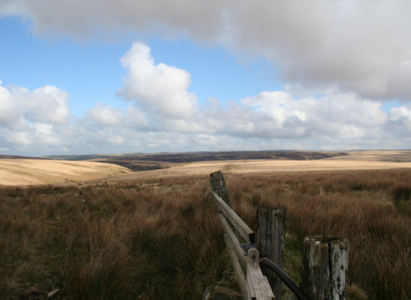
Exmoor
The Exmoor National Park is a great place to start your adventure, and is well suited for your DofE bronze expedition. These dramatic and panoramic moors are situated on the North Devon coast, and are a well-trodden area for groups embarking on their introductory expedition.
A majority of Exmoor is privately owned, so make sure you stick to the marked walking routes! This is an ideal location for a bronze expedition, as you can get a good introduction to the challenges the Duke of Edinburgh’s Award expedition offers, without worrying about how good (or bad!) your navigational skills are.
In the Exmoor National Park, there are over 569 hectares of woodland to explore. One outstanding area of woodland is Burridge Woods, a 22 hectare wood located close to the River Barle, near Dulverton in Somerset.
At the top of this spectacular site is Oldberry Castle, an Iron Age hillfort. Discover more about British history while completing your Duke of Edinburgh expedition, and venture along the public footpath that runs around the edge of the woodland. Take a trip down the other paths that provide public access for more stunning views from different perspectives.
Duke Of Edinburgh Silver
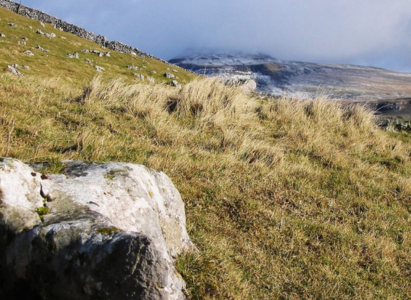
Yorkshire Dales & Pennines
The Yorkshire Dales is the perfect place to complete your Duke of Edinburgh Silver Award. A lot of expeditions are based around the Wensleydale area, by the River Ure on the east of the Pennines. In Wensleydale, you’ll find the beautiful Manor Grange Estate, a 100 acre area of woodland which is a great spot for camping. This is a Duke of Edinburgh-approved campsite, with enough space for you to explore as much of the woodland as you like.
The Yorkshire Dales & Pennines area has three long distance walking routes: The Pennine Way, the Coast to Coast Walk and a route covering the whole of the Western Dales. All three routes are well trodden and clearly signposted, so they won’t test your navigational skills too much.
If you choose to venture along one of these parts for any aspect of your expedition, you‘ll be rewarded with idyllic scenery, without the fear that you’re getting lost.
One thing to be aware of in the Dales National park is that you aren’t permitted to camp on the open moorland. A lot of private landowners allow groups to camp on their land, but you would have to arrange this in advance to make sure you grab the best places to stay in the Yorkshire Dales, such as the Manor Grange Estate.
At the start or the end of your DofE expedition, you may wish to stay in one of the many hostels located in the area. You can relax, make a pit-stop while you get your bearings, and reflect on everything you’ve discovered so far.
Duke Of Edinburgh Gold
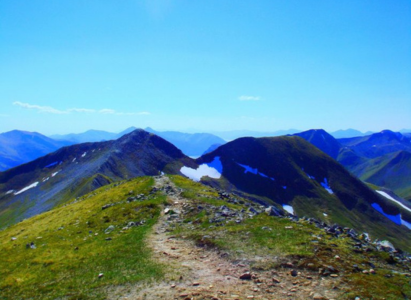
Grampian & Cairngorm
The Grampian & Cairngorm region is one of the most popular areas in Scotland for completing the DofE Expedition. The rugged mountainous terrain provides more of a challenge than most areas of Britain, but the remote, picturesque landscape makes it a perfect destination for your Gold DofE Expedition.
You’ll find the walking routes offer some of the most breath-taking views in the whole of Britain; whether you’re exploring the sea in the north or dramatic mountains in the Cairngorm National Park, the nature of the region gives you the freedom to escape to areas few people have dared to before!
A very popular area in the Cairngorm & Grampian region is the Mar Lodge Estate, situated a few miles west of the village of Braemar. Avid supporters of the Duke of Edinburgh’s Award, the Mar Lodge Estate has grown significantly over the last few years and is keen for its land to remain a popular destination.
Derry Lodge and The Punch Bowl at Quoich are recommended as some of the best places for camping, just make sure you get in touch with the Mar Lodge to book before beginning your adventure.
What age can you be for the Duke of Edinburgh Award?
The age you can do your DofE is actually quite broad. Anywhere between the ages of 14 to 24 years. Though you can begin early in the school year if you turning 14, for the Bronze award. For the Silver award you're required to be 15 or in year 10. And finally for gold you must be 16.
The age Cap is 24. You must begin and finish your award before reaching the age of 25 which, for some, may require some extra planning to ensure you don't miss the cut off. The award has a strict policy on this restriction.
When to do the Duke of Edinburg Award
Each level of the Duke of Edinburgh’s Award requires commitment, learning and time. For the Bronze Award, the full programme takes a minimum of 6 months to complete, and most sections can be worked on at any time of year.
If you’ve already achieved Bronze, the Silver Award also takes at least 6 months. However, if you’re starting Silver without completing Bronze first, you should expect the programme to take 12 months. Finally, the Gold Award requires a minimum of 12 months if you already hold Silver, or 18 months if you’re entering directly at Gold level.
The Expedition section is the only part with a fixed time window. Schools often organise and offer specific Expedition dates, but if your school doesn’t provide a suitable entry point, you may need to look for an external provider or alternative dates to ensure you can complete your award on schedule.