Alaska Travel Guide
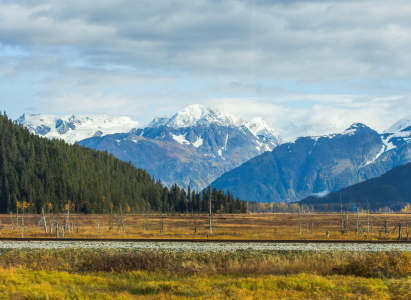
There are few destinations as wild as Alaska. Towering glaciers, snow-capped mountains, vast stretches of untouched wilderness and forest, America's largest state offers adventure on a grand scale. If you're planning a summer trip, a wildlife-focused holiday or winter escape for the best view of the Northern Lights, our Alaska travel guide will cover the best time to visit, top things to do and what to pack for the journey.
When is the best time to visit Alaska?
The best time to visit Alaska depends on what you want to experience. Summer is the most popular season and so there are tons more tourist options, though every season does have something unique to offer.
Spring - April-May
Spring is the start of longer days and there are fewer visitors along with the first signs of Alaska's wildlife becoming more active post winter. Snow will still be present in many areas, while temperatures can vary significantly from one day to the next. Alaska is known for unpredictable weather.
If you're visiting during spring then being prepared and flexible would be best. Conditions can and will shift quickly, making a layering system useful for adapting to changing weather throughout the day.
Summer - June-August
For a lot of travellers, summer is the best time to visit Alaska. Long (very long) daylight hours, more accessible national parks and peak wildlife mean this is the busiest and generally the best season for an Alaska holiday.
This means it's also one of the best times to spot bears, humpback whales and bald eagles, while destinations such as Denali National Park are at their most accessible. Temperatures are generally mild, rain is common in many regions, especially along the coast, so waterproof clothing is well worth packing. Some forests in Alaska are temperate rainforests so depending where you travel to, expect rain. In some inland areas, mosquitos can also be a consideration during the height of summer. Mosquitos can be so abundant in parts of Alaska that there is a joke amongst some Alaskans that the mosquito is the state bird. Consider mosquito deterrents like Nosilife clothing.
Winter - November-March
Winter reveals a completely different side of Alaska. Snow-covered land, frozen lakes, long, dark nights. The scale flips in winter. Whilst summer in a few places brings 19 hour days(varies greatly depending on where you stay), winter can bring 18 hour nights, but comes with one great potential benefit and a major reason to travel to Alaska in winter. The Northern Lights.
While a lot of attractions and routes operate on reduced schedules, winter offers a quieter and often more dramatic and natural experience for travellers prepared for much colder conditions.
Top things to do in Alaska
Explore Denali National Park
One of the more famous national parks in North America, Denali National Park is home to huge wilderness, incredible and fascinating wildlife as well as North America's highest peak. Visitors come to hike, take scenic bus journeys and experience the scale of Alaska's interior landscapes. Denali Park has one main road and so generally most planned animal sightseeing is done through park-operated touring.
Weather conditions can change quickly, even through the summer, making practical outdoor clothing an important part of any day spent exploring the park.
Alaska's Glaciers
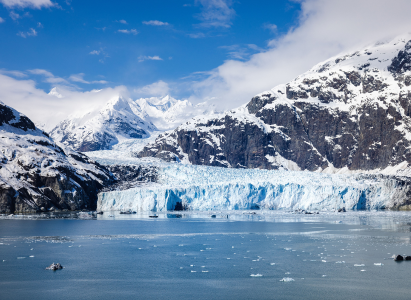
Glaciers are some of Alaska's more impressive natural attractions. If you’re interested in seeing a glacier, Alaska is a great place to visit with having thousands. Too many in-fact for Alaskans to bother naming most. Some of Alaska's glaciers are known as ‘tidewater’ glaciers meaning they flow down to the sea and ocean. So you’re able to see the glaciers from the water which is a very common way to view them. These frozen landscapes are very often the highlight of an Alaska trip.
Coastal weather can be cool and damp throughout much of the year, particularly around glacier viewing areas.
Alaska's Wildlife
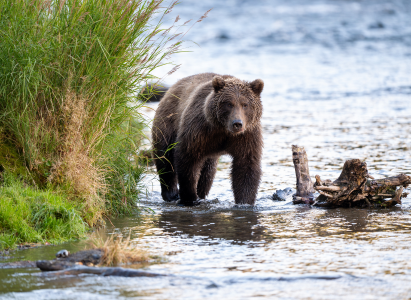
Alaska is one of the world's great wildlife destinations. Depending on where and when you visit, you can, if you’re lucky, spot bears, humpback whales, moose and even bald eagles. You may have heard the phrase 'Alaska's big 5’, which refers to Alaska’s most iconic animals. Again, the grizzly bear, moose, wolves, caribou(reindeer) and Dall sheep.
Wildlife viewing can be found throughout the state. It’s best to book onto a tour for opportunities to see these animals, as well as having experts on the animals, the guides will also be experts on safety.
The Northern Lights
While the Northern Lights have been occasionally seen from parts of the UK, Alaska is considered one of the world's best destinations for viewing the Northern Lights and one of the more reliable. Few travel experiences compare to seeing the Aurora Borealis, away from light pollution, out in the wilderness. Fairbanks is one of the most popular locations for the Northern Lights with the best chances generally occurring between September and March. Remember, it’s not guaranteed to see them.
Clear skies and long evenings create excellent viewing opportunities, but temperatures can drop significantly after dark.
What to Wear in Alaska
Packing for Alaska is less about extreme cold and more about preparing for changing conditions. A waterproof outer layer is one of the more versatile and useful items you can bring. Even during summer, rain showers are common in many regions, making a quality waterproof jacket or waterproof coat a critical addition to your kit.
Layering is equally important. A fleece mid-layer provides warmth during cool mornings, evenings and higher-altitude excursions, while remaining convenient to remove as temperatures rise. A Gilet could also work well in place of a fleece for mid-summer.
For walking, sightseeing and exploring national parks, forests and coastlines, lightweight walking trousers offer comfort and practicality throughout long days outdoors. They're particularly useful when conditions fluctuate between sunshine, wind and occasional rain.
If you're travelling during summer, especially in inland regions, insect-repellent clothing can also help make time outdoors more comfortable when mosquitos are active.