Gorilla trekking & how to prepare for your adventure
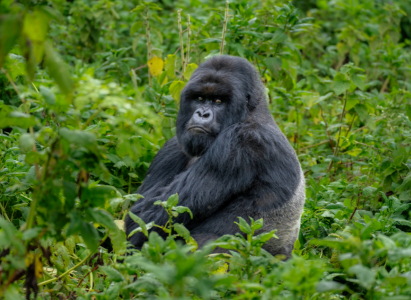
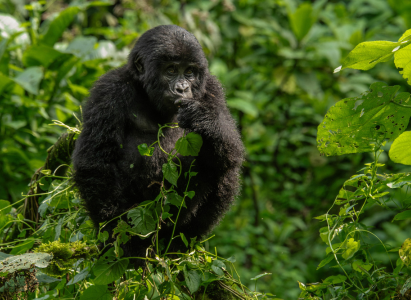
Gorillas are one of the more fascinating creatures on our planet. They’re one of the closest living relatives to humans with remarkable problem solving skills alongside. If you’re able to afford to see Gorillas in the their natural habitat then going gorilla trekking would be an unforgettable experience. If you are planning a trek in Rwanda or Uganda, there are some decisions to make before you travel, including choosing where to go, what to wear and a checklist that can help you cope with humid rainforest conditions.
Where can you go gorilla trekking
Gorilla trekking in rwanda
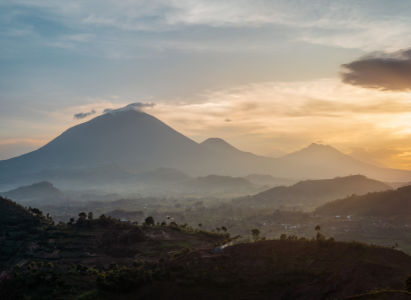
Rwanda is one of the better-known destinations for gorilla trekking, with guided treks taking place in Volcanoes National Park which is Rwanda’s oldest national park. It’s 2 to 3 hours' drive from Kigali, and is often chosen by travellers looking for straightforward access and a well-established trekking experience. Gorilla permits are limited and must be booked in advance, so it's important to get planning early. For the latest information on permits, availability and park regulations, check the official Rwanda Development Board website before you travel. Estimates for a permit, per person, for Volcanos National Park would be approximately £1500.
Uganda gorilla trekking
Uganda offers gorilla trekking in both Bwindi Impenetrable National Park and Mgahinga Gorilla National Park. Bwindi Impenetrable National a large portion of the worlds remaining Mountain Gorillas and offers several trekking sectors, while Mgahinga Gorilla National Park provides what’s often considered a quieter alternative. Uganda is considered the better choice for travellers looking for a wider range of itineraries and accommodation options. As with Rwanda, permits should be arranged well in advance through the Uganda Wildlife Authority or an authorised tour operator. Estimates for a permit, per person, for Bwindi or Mgahinga would be approximately £800
When is the best time for gorilla trekking
Gorilla trekking takes place year-round, though it is common to choose to visit during the drier seasons, though trekking is possible year round. Typically June to September and December to February. This is because the trails are generally firmer and easier to navigate. The wetter months can bring muddier conditions, but they also transform the rainforest into a lush, vibrant landscape and the gorillas can still be tracked. Whichever season you choose, permits are limited and can sell out well in advance, particularly during popular travel periods, so it's best to plan, book early and check the latest availability with the relevant park authority.
What to wear gorilla trekking
There’s a lot to consider when travelling not only to a different continent, through different countries, but also to a landscape that can feel like a new world. Mountain Gorillas do live at higher elevations. This means your clothing and kit has to deal with both the hotter Rwandan weather, endure from this through up to the mountains and then subsequently deal with what’s considered a cooler, relatively, rain forest within those mountains. Read on for advice on what to wear and pack along with a clothing checklist.
Choose insect-protection clothing
Another thing to consider, but an important one, is what you’ll almost certainly come across whilst you’re in the rainforest. Depending where you are, you’ll encounter mosquitos. Higher elevation and a drier season can mean less mosquitos but, if you go to a lower elevation, in the valleys for example, you’re more likely to come across them. Or if there has been a good amount of rainfall. What type of clothing you wear can be the difference between getting bitten or not. Long sleeves, full trousers rather than shorts, collared shirts and even neck protectors from your hat are all recommended. It’s recommended that you choose insect repellent clothing such as our Nosilife clothing range which is designed to repel biting insects and have excellent features which help you endure humid climates.
Dress for humid rainforest conditions
Of course being a rainforest you can expect humid conditions. Though, again, the temperature in higher altitude rainforests can be lower, around 15 to 16 degrees Celsius. You’ll have to prepare for and manage the air temperature combined with heat from exertion.
We’d recommend:
- lightweight long-sleeved shirts for men or lightweight long sleeved shirts for women
- durable mens walking trousers or durable womens walking trousers
- quick-drying fabrics
- breathable layers
Don't underestimate the rain
You can expect rain in the rainforest regardless of season. If you go in the rainy season, waterproof jackets, and trousers or even waterproof over trousers are invaluable. Again, going in the dry season doesn’t mean it wont rain. Rain is much less common but still worth preparing for. Lightweight waterproof jackets are a must.
Gorilla trekking packing checklist
Here’s our gorilla trekking checklist(consider also how many days you’ll be there for):
- Long-sleeved shirt
- Walking trousers
- Mens waterproof jacket or Womens waterproof jackets
- Waterproof walking boots
- Walking socks
- Lightweight gloves
- Small daypack
- Reusable water bottle
- Camera (with rain protection)
- Hat and sunscreen
- Anti-insect clothing
- Walking poles
- Gaiters
Trek responsibly
Gorilla trekking is tightly regulated to help protect one of the world’s most endangered species(just over 1,000 individuals) and to support the communities living alongside them. Permit fees and controlled visitor numbers play an important role in funding conservation work, anti-poaching patrols and habitat protection in Rwanda and Uganda.
To learn more about our partnership with the Dian Fossey fund here.
To summarise the key takeaways: After careful consideration, choose the destination that suits you, book your permits well in advance, check official guidance and pack versatile clothing suited to humid, hot and cooler environments.